
Finishing cardiac rehabilitation marks a transition to maintenance care, not the end of follow-up. You will know when to book your next appointment, which records and tests matter, how treatment changes after different heart-attack treatments, and which symptoms require emergency help instead of a routine visit.
Key takeaways
- Book an early review after completing cardiac rehabilitation.
- Bring your discharge summary, medication list, and rehabilitation records.
- Expect medication review and checks of symptoms, blood pressure, and heart function.
- Continue prescribed medicines, exercise, and risk-factor management after the programme ends.
When should you see a heart doctor after rehabilitation?
There is no fixed date for heart doctor follow up after completing heart attack for rehabilitation. Book an early review after finishing the programme; the exact interval depends on the infarction’s severity, left-ventricular function, stent or bypass treatment, medication changes, symptoms and complications.
This post heart attack follow up should confirm the treatment plan, exercise tolerance and recovery rather than rely only on feeling better.
During the first year, further visits should match your risk and treatment response. Reduced ejection fraction, heart failure, arrhythmia, recurrent angina, medication changes or complications require closer review. If recovery is stable, the cardiologist and primary-care clinician can share periodic long-term reviews, including blood pressure, pulse, weight, cholesterol, diabetes, smoking, medication adherence and maintenance exercise.
Mild exercise fatigue or muscle soreness that settles with rest is different from warning signs. Seek immediate local emergency help instead of booking a clinic visit if you develop:
- New or worsening chest pressure or pain
- Breathlessness at rest or with less activity than usual
- Fainting, new weakness, or a sustained rapid or irregular heartbeat
- Sweating with nausea, especially alongside chest discomfort or breathlessness
- New leg swelling or rapid weight gain
- Symptoms resembling your original heart attack
Severe or persistent symptoms need urgent assessment. Follow your discharge instructions, do not drive yourself, and call 112 only where it provides prompt access in your area.
What should you bring and discuss at the first follow-up visit?
Bring records that show what happened, not only a memory of feeling better. This makes post heart attack follow up more accurate and reveals risks that symptoms alone can miss.
1. Pack the hospital discharge summary; angiography, angioplasty or bypass report; stent brand, size and location if available; echocardiogram results; ECGs; and rehabilitation exercise records. Add a complete medication list showing each drug, dose, timing and any missed doses.
2. Discuss recurrent chest discomfort, breathlessness, exercise tolerance, home blood-pressure and pulse readings, weight change, smoking status, sleep, mood, anxiety, fear of exertion and adherence to the rehabilitation exercise programme. Report bleeding, dizziness, a slow pulse, muscle symptoms or any other possible medication effect.
3. Ask how return to work, driving, sexual activity, travel, nutrition, diabetes control, vaccination advice and complete smoking cessation fit into your long term heart recovery care plan. These decisions depend on your treatment, heart function, symptoms and daily demands.
Bring a family member if anxiety or memory makes discussion difficult. Written questions help when treatment is complex; include concerns about work, exercise limits and warning symptoms.
Do not wait for the appointment if severe or persistent chest pressure, breathlessness at rest, fainting or symptoms resembling the original heart attack occur. Seek emergency help instead.
Which tests are routine, and when is more testing needed?
Routine monitoring after rehabilitation usually combines an ECG review, blood-pressure and pulse measurement, weight, and blood tests chosen for your risks. During post heart attack follow up, clinicians commonly check a lipid profile, HbA1c, kidney function and electrolytes when diabetes, hypertension, heart failure or relevant medicines make them clinically relevant.
Repeat a lipid profile 4–12 weeks after starting or changing lipid treatment, then check it periodically. A heart doctor after cardiac rehabilitation uses the result to judge treatment intensity and consider additional LDL-lowering treatment when needed.
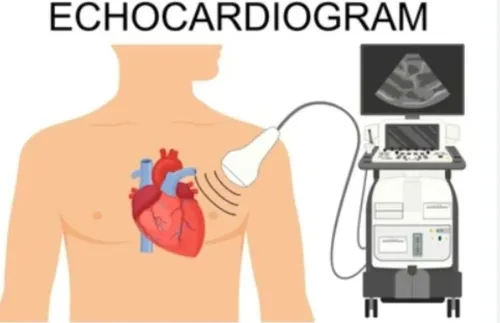
Echocardiography needs a reason, not simply a calendar date. Repeat it when the original scan was incomplete, the ejection fraction was reduced, heart-failure treatment has started, or symptoms suggest changed ventricular function. Left-ventricular ejection fraction helps determine treatment intensity; if it remains reduced despite appropriate treatment, assessment for an ICD or CRT may be needed.
| Test | Routine use | When it becomes targeted |
|---|---|---|
| ECG | Review rhythm and prior abnormalities | New symptoms or abnormal examination |
| Stress test | Not automatic after rehabilitation | Recurrent exertional symptoms or reduced exercise capacity |
| Holter monitor | Not automatic in stable patients | Suspected intermittent arrhythmia or unexplained palpitations |
| Coronary imaging | Not automatic in symptom-free patients | Recurrent symptoms or abnormal findings |
Unnecessary testing can create false-positive results, anxiety and avoidable procedures. New breathlessness, chest pressure, fainting or sustained palpitations warrants earlier assessment rather than waiting for the next routine visit.
How do medicines and the original treatment change follow-up?
A heart doctor after cardiac rehabilitation reassesses the treatment plan, not just whether you feel better. After acute coronary syndrome, aspirin plus a second antiplatelet drug is commonly continued for about 12 months when bleeding risk is not high. The duration may be shortened or extended for individual risks.
Never stop either medicine without medical advice, especially after stenting.
High-intensity statin treatment is usually long term. If LDL cholesterol remains above the relevant treatment threshold, the cardiologist may add ezetimibe or a PCSK9-directed treatment. Beta blockers need review rather than automatic lifelong use after an uncomplicated infarction with preserved ejection fraction; reduced ejection fraction, angina, arrhythmia or hypertension can support longer treatment.
Follow-up differs according to the original treatment and remaining risk:
- After a stent, review antiplatelet adherence, bleeding, the treated artery and residual coronary disease.
- After bypass surgery, review graft-related concerns, recurrent symptoms and disease in untreated vessels.
- After a medically managed infarction, reassess angina, ventricular function and whether revascularisation is now needed.
- With heart failure, ACE inhibitors or ARBs are important with reduced systolic function, diabetes, hypertension or chronic kidney disease; an ARNI may suit selected patients. Check kidney function and potassium after starting or increasing these medicines.
- With arrhythmia, monitor pulse, rhythm, symptoms and ventricular function more closely.
This long term heart recovery care also checks dizziness, slow pulse, fatigue, bleeding and medication adherence before changing doses.
How do you maintain recovery after the formal programme ends?
Turn the rehabilitation prescription into a routine you can sustain. Keep exercising at the intensity set by your rehabilitation team; increase duration or resistance only when symptoms, functional capacity, ventricular function, rhythm risk and physical limitations support it. Feeling well does not make sudden strenuous exercise safe.
1. Record the blood-pressure and diabetes targets given by your clinicians, then log home readings, weight and pulse. Bring changes to review rather than adjusting treatment yourself.
2. Build meals around vegetables, fruit, pulses, whole grains, nuts, fish or other lean proteins, while limiting salt, trans fats, processed meat and excess alcohol. Maintain a healthy weight, sleep schedule and complete smoking cessation.
3. Take medicines at the prescribed dose and time. Ask for help with depression, anxiety, post-traumatic stress, poor sleep or fear of exertion; counseling, psychological care, medication review or renewed rehabilitation can restore confidence and adherence.
4. Add practical prevention to your plan: vaccinations recommended locally, and advice about work, driving, travel and sexual activity.
Long-term heart recovery care can be shared by your cardiologist and primary-care clinician. Heart doctor follow-up after completing heart attack rehabilitation should review the original coronary treatment, recurrent symptoms, blood-pressure and cholesterol control, ECG or echocardiogram findings, and whether further testing is needed.
In Ahilyanagar, Dr Chetan Jain can provide specialist review when ongoing assessment is needed.
Record symptoms and home readings, keep your medication list current, and book earlier when recovery changes. Do not wait for the next planned visit.
Related services
Post-Heart Attack Care & Rehab Post-Heart Attack Care & Rehab Holistic recovery plans post-myocardial infarction including medication, lifestyle counseling, and cardiac rehabilitation. View service → |
Heart Failure Management Comprehensive care for patients with weak heart muscles, including lifestyle changes, medication, and device therapy when necessary. View service → |
Frequently asked questions
When should you see a heart doctor after cardiac rehabilitation?
Book an early review after completing rehabilitation. The interval depends on infarction severity, left-ventricular function, treatment, medication changes, symptoms, and complications.
What should you bring to your first post-heart-attack follow-up?
Bring your discharge summary, rehabilitation records, current medicine list, recent test results, and a written record of symptoms or exercise limits.
Which tests are routine after cardiac rehabilitation?
The review usually includes symptom assessment, blood pressure measurement, medicine review, and evaluation of heart function. Your doctor orders further testing when symptoms, complications, or treatment history require it.
How does the original heart-attack treatment affect follow-up?
Follow-up differs after a stent, bypass surgery, or other treatment. Your doctor considers the infarction’s severity, left-ventricular function, medication changes, and complications.
How do you maintain recovery after formal cardiac rehabilitation ends?
Continue the exercise plan, prescribed medicines, follow-up appointments, and risk-factor management. Report new or worsening symptoms promptly.