After a heart attack, leaving hospital is the start of recovery rather than the end of treatment. You need to know which medicines and home readings matter, when tests and cardiology reviews are due, how rehabilitation works, and which symptoms require emergency help.
Key takeaways
- Take every prescribed medicine and never stop antiplatelets without medical advice.
- Record blood pressure, pulse, symptoms and medicine side effects at home.
- Attend cardiac follow-up visits and complete recommended ECG and blood tests.
- Begin cardiac rehabilitation before increasing exercise after a heart attack.
What Happens From Emergency Treatment to Hospital Discharge
A heart specialist for heart attack care first stabilises breathing, blood pressure, rhythm and pain, then confirms the blocked artery with an ECG and blood tests. For a STEMI, primary PCI opens the artery with a catheter and usually a stent when it can be delivered promptly.
If timely PCI is unavailable or unsuitable, fibrinolytic medicine may dissolve the clot.
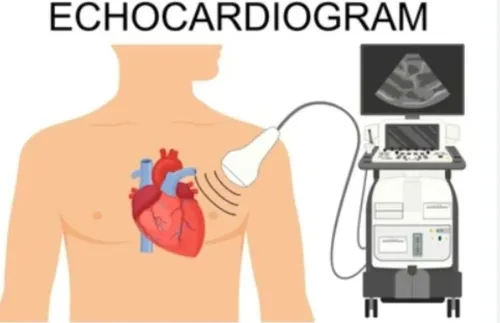
After treatment, the specialist watches for recurrent chest pain, bleeding, rhythm disturbances and heart failure. An echocardiogram measures ejection fraction, wall motion, valves and complications. These post heart attack care details help determine medicines, activity limits and the timing of further review.
Before leaving hospital, check each item with the treating team:
- Ask which artery was treated, whether a stent was placed, and how to care for the wrist or groin access site.
- Get the complete medicine list, including aspirin plus clopidogrel, prasugrel or ticagrelor when prescribed, a statin, and any beta blocker, ACE inhibitor or ARB. Never stop antiplatelet treatment after a stent without medical advice.
- Ask for your ejection fraction, warning symptoms, and clear instructions for chest pain, breathlessness, fainting or severe weakness.
- Confirm when to review the cardiologist, repeat tests, begin cardiac rehabilitation, and increase walking, work or sexual activity.
- Leave with plans for blood pressure, diabetes, smoking, diet, sleep, weight and anxiety support.
Do not increase exertion if angina, fainting, uncontrolled palpitations or worsening breathlessness continues. Seek emergency help for new or persistent chest pressure.
Your Medicines and Daily Home Checks After a Heart Attack
Take every medicine exactly as listed at discharge. Your post heart attack care details should include what each drug treats, when to take it and what to do after a missed dose.
- Aspirin plus clopidogrel, prasugrel or ticagrelor prevents a clot inside a stent. Never stop either drug without speaking to your cardiologist; interruption can cause acute stent thrombosis. Tell the cardiologist before dental work, surgery or if bleeding occurs.
- A high-intensity statin lowers LDL cholesterol. Report severe muscle pain or dark urine.
- A beta blocker slows the heart and reduces its workload. Report fainting, wheezing or a very slow pulse.
- An ACE inhibitor or ARB protects the heart and lowers blood pressure. Report facial swelling, severe dizziness or reduced urine.
- Take a missed dose when remembered unless the next dose is near; never double up without instructions from your prescriber.
Check blood pressure and pulse at the same time each morning, after five minutes seated. Record weight daily, blood glucose if prescribed, ankle swelling, breathlessness and chest symptoms. Keep taking prescribed medicines while recording readings.
| Finding | Action |
|---|---|
| New or worsening chest pressure, breathlessness, sweating, fainting or pain spreading to the arm or jaw | Call emergency services immediately |
| Weight gain over 2 kg in two days, increasing swelling or breathlessness when lying down | Contact your cardiac team the same day |
| Repeated blood pressure below 90/60 mmHg with dizziness, or pulse below 50 or above 120 at rest | Seek urgent medical advice |
| Black stools, vomiting blood or bleeding that will not stop | Seek emergency care |
Do not increase exercise until your personalised plan begins. Report persistent fear, low mood or poor sleep; psychological support improves recovery and medication adherence.
The Cardiac Follow-Up Schedule and Tests You May Need
New chest pressure, sweating, nausea, breathlessness, faintness, or pain spreading to the arm, jaw, or back is an emergency—not a reason to wait for cardiac follow-up. Call emergency services and do not drive yourself.
Arrange the first review with a heart specialist for heart attack care soon after discharge, then attend visits over the following weeks and months. The timing depends on the infarction, treatment, ejection fraction, symptoms, medicines, and recovery.
Each review checks blood pressure, pulse and rhythm, kidney function, bleeding, medication adherence, smoking, diabetes, cholesterol, activity, mood and return to work or sex.
Tests are chosen for a clinical reason:
- ECG: Repeat it for recurrent symptoms, palpitations, fainting, suspected rhythm problems, or a change on examination.
- Blood tests: Check creatinine and potassium after starting or changing an ACE inhibitor, ARB or diuretic; check a lipid profile after statin treatment and glucose or HbA1c for diabetes. A blood count helps investigate bleeding or anaemia.
- Echocardiogram: Measure ejection fraction, wall motion, valves and complications after the infarction. If function is markedly reduced, repeat imaging after treatment and revascularisation before considering an implantable cardioverter-defibrillator.
- Stress testing: Use exercise ECG or stress imaging when new exertional symptoms need assessment, not as an automatic test after uncomplicated PCI.
- Coronary CT angiography or invasive angiography: Consider these for recurrent or unexplained symptoms, abnormal stress results, or evidence of renewed vessel narrowing.
How Heart Attack Rehabilitation Builds Back Safe Activity
Most people who are medically stable after a heart attack qualify for heart attack rehabilitation, including those treated with angioplasty and a stent or bypass surgery. Your cardiologist should clear the programme and set limits based on symptoms, ejection fraction, rhythm, complications and other illnesses.
Referral can begin before discharge. Outpatient sessions start after your early review, when the access site, medicines and symptoms have been checked. Do not increase exertion until assessed if you have persistent angina, worsening heart failure, uncontrolled arrhythmia, fainting or unexplained severe breathlessness.
A supervised session usually includes:
- A check of blood pressure, pulse, weight, symptoms and medication problems before exercise.
- A measured warm-up, walking or cycling at a prescribed intensity, and gradual resistance exercises.
- Monitoring during activity, followed by a cool-down and instructions for safe home activity.
- Education on food, smoking cessation, diabetes, sleep, blood pressure, weight and medication adherence.
- Screening for depression, anxiety and fear of exertion, with psychological referral when needed.
Your plan should specify when you can resume work, lifting, driving and sexual activity. These post heart attack care details are individual, not calendar rules.
If attending locally is difficult, ask about home-based or tele-rehabilitation using video reviews, exercise logs and remote monitoring. A nearby cardiac centre can supervise periodic assessments while you exercise at home. Dr Chetan Jain can help adapt the programme when distance, mobility, work hours or heart-failure symptoms make standard attendance impractical.
Related service
Post-Heart Attack Care & Rehab Post-Heart Attack Care & Rehab Holistic recovery plans post-myocardial infarction including medication, lifestyle counseling, and cardiac rehabilitation. View service → |
Long-Term Recovery, Risk Reduction and When the Plan Changes
After the early recovery period, cardiac follow up shifts from healing to preventing another event. Keep taking prescribed antiplatelet, statin, blood-pressure and heart-failure medicines; a beta blocker or ACE inhibitor/ARB depends on ejection fraction, heart failure, diabetes, kidney disease, angina and rhythm.
Continue heart attack rehabilitation or its home-based exercise plan, with gradual activity, healthy weight, smoking cessation, controlled blood pressure, diabetes and cholesterol, adequate sleep and psychological support.
| Finding | Usual response | Why the plan changes |
|---|---|---|
| Stable symptoms and improving exercise tolerance | Continue medicines, risk-factor targets and scheduled reviews | No new warning signal |
| Chest pressure, breathlessness, swelling, fainting or sustained palpitations | Stop exertion and contact the cardiology team urgently; seek emergency care for severe or persistent symptoms | Recurrent ischaemia, heart failure or an arrhythmia must be assessed |
| Reduced ejection fraction, new ECG changes or abnormal rhythm | Repeat ECG, echocardiogram, blood tests or rhythm monitoring as directed | Treatment and activity limits may need adjustment |
| Rising creatinine, potassium, glucose, LDL cholesterol or blood pressure | Review doses, adherence, diet and additional treatment | Organ function and risk targets have changed |
| Bleeding, medication intolerance, smoking relapse or major life change | Reassess medicines and support | Benefit, safety or adherence has changed |
Do not stop aspirin or another stent-related antiplatelet drug without medical advice. Before increasing exercise, returning to demanding work or resuming sex, obtain an individual plan. Depression, anxiety, fear of exertion, new illness or difficulty taking medicines also deserves review rather than silent withdrawal.
Frequently asked questions
What happens between emergency treatment and hospital discharge after a heart attack?
The team stabilises breathing, blood pressure, heart rhythm and pain, confirms the diagnosis with an ECG and blood tests, and restores blood flow when needed. Before discharge, you receive medicines, activity guidance, warning signs and a follow-up plan.
What daily checks are useful after a heart attack?
Record your blood pressure and pulse as instructed, note chest pain or breathlessness, and track medicine side effects. Seek urgent help for persistent or returning chest pain, severe breathlessness, fainting or new weakness.
What tests might be included in cardiac follow-up?
Follow-up can include an ECG, blood tests, blood-pressure review and assessment of symptoms, medicines and recovery. Your cardiologist may order further testing when symptoms, examination findings or risk factors require it.
What is heart attack rehabilitation?
Cardiac rehabilitation is a supervised programme that gradually rebuilds safe activity while addressing medicines, diet, smoking, stress and risk-factor control. Follow the programme’s exercise limits instead of increasing activity on your own.
When should the post-heart-attack plan change?
Contact your cardiology team when symptoms return, exercise becomes harder, medicines cause troublesome effects, or blood pressure or pulse readings change repeatedly. Emergency symptoms require urgent medical care rather than a routine appointment.