
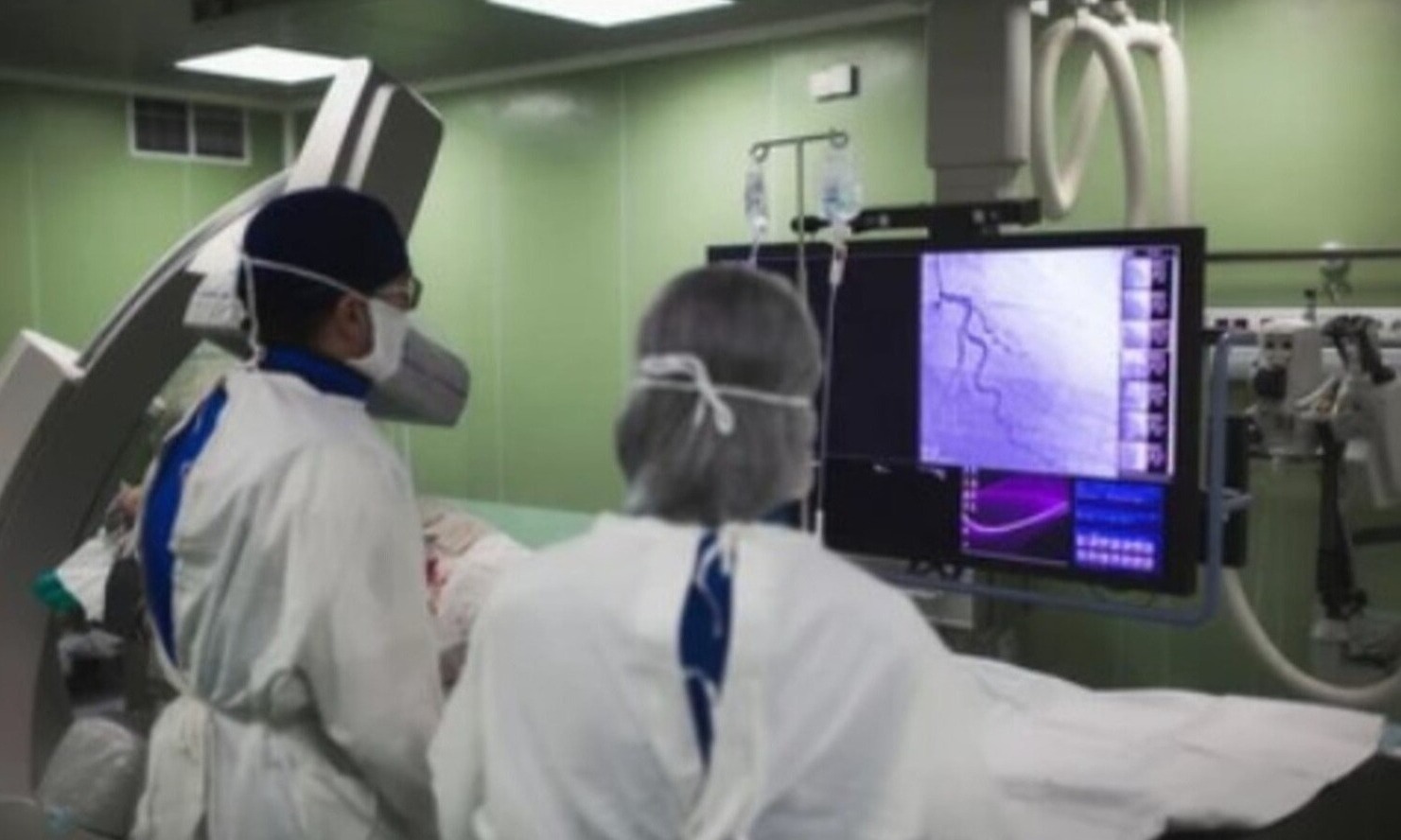
Coronary angiography is an important investigation used to examine the coronary arteries, the blood vessels responsible for supplying blood to the heart muscle. Patients sometimes assume that any chest pain automatically means they need angiography, but the decision is generally based on clinical assessment and the likelihood of significant coronary artery disease.
People searching for an Angiography specialist in Dhule should first understand what the procedure is designed to investigate.
Coronary arteries can become narrowed or blocked due to the buildup of plaque. When blood supply to the heart muscle becomes inadequate, symptoms such as chest discomfort or breathlessness may occur, particularly during physical activity. In acute situations, interruption of blood flow can be associated with a heart attack.
Angiography allows doctors to visualize the coronary arteries and identify significant narrowing or blockage. It is different from an ECG or 2D Echo.
An ECG evaluates electrical activity. A 2D Echo provides information about heart structure and function. Coronary angiography specifically provides information about the coronary arteries.
A cardiologist may consider angiography in circumstances such as:
Symptoms strongly suggestive of coronary artery disease
Certain abnormal findings on other cardiac investigations
Suspected acute coronary syndrome or heart attack
Persistent symptoms despite appropriate medical management
Clinical situations where knowing coronary anatomy will influence treatment decisions
Whether angiography is appropriate depends on the individual patient.
Before recommending the investigation, the cardiologist may evaluate symptoms, blood pressure, diabetes, cholesterol, smoking history, family history, previous heart disease, ECG findings, and other relevant test results.
Patients should tell the doctor about current medicines, allergies, kidney-related conditions, previous procedures, and other significant medical problems. This information can be relevant to planning and risk assessment.
After angiography, the next step depends on what the investigation shows and the overall clinical situation. Some patients may be managed medically. Others may require further consideration of procedures such as angioplasty or surgery. The presence of a narrowing does not by itself determine treatment without considering its severity, location, symptoms, and broader clinical context.
For residents of Dhule and nearby parts of Maharashtra, consultation with a cardiac specialist can help determine whether coronary evaluation is actually required. Dr Chetan Jain assesses cardiac symptoms and relevant investigations to guide patients through appropriate cardiovascular evaluation.
Patients considering angiography should ask clear questions. Why is the test being recommended? What information is expected from it? Are there specific preparation instructions? How could the result change the treatment plan? Understanding these points makes the decision-making process clearer.
Patients should also distinguish planned coronary evaluation from emergencies. Suspected heart attack symptoms require urgent assessment, and investigations may need to proceed according to emergency cardiac protocols.
An Angiography specialist should therefore be selected not simply for access to a procedure, but for the clinical judgment surrounding it. The value of angiography comes from performing it when indicated, interpreting the findings correctly, and connecting those findings with an appropriate treatment strategy.