An abnormal ECG, stress test, troponin result, echocardiogram, or CT scan does not automatically mean you need an invasive coronary angiogram. You will learn when to seek emergency care, which findings justify further testing or CAG, and how to compare cardiologists and catheterisation services before making that decision.
Key takeaways
- Call an ambulance for heart attack symptoms; do not drive to an appointment.
- Confirm stable abnormal results before proceeding to coronary angiography.
- Ask about kidney function, contrast allergy, bleeding risk, and medication instructions.
- Judge CAG by whether its findings change medicines, stenting, surgery, or follow-up.
When an abnormal heart result needs an ambulance, not an appointment
Call an ambulance for signs of an acute coronary syndrome or another unstable condition, not an outpatient appointment. Do not drive yourself or wait for a booking if symptoms suggest a heart attack.
- Ongoing or refractory ischemic chest pain, especially pressure spreading to the arm, jaw, back, or shoulder
- Breathlessness at rest, sudden sweating, nausea, or a marked feeling of impending collapse
- Fainting, severe weakness, confusion, or a new malignant arrhythmia
- Persistent ST-segment elevation or another acute ischemic ECG pattern
- Unstable blood pressure, including shock, severe hypertension with symptoms, or a rapidly falling pressure
- Suspected heart attack, particularly with chest symptoms, ECG changes, or an elevated troponin result
Emergency teams can repeat ECGs, measure serial high-sensitivity troponin, treat dangerous rhythms, stabilise blood pressure, and arrange urgent coronary angiography when required. A cardiologist for abnormal heart results cannot safely perform that initial triage through a routine clinic slot.
An isolated abnormal ECG without active symptoms is different. Artefact, a normal variant, an old infarction, a rhythm disturbance, electrolyte imbalance, or non-coronary disease can explain the tracing. If you feel stable, contact your doctor promptly for interpretation and testing rather than assuming you need coronary angiography after abnormal ecg.
New or worsening symptoms override that plan.
Which abnormal tests justify CAG, and which need confirmation first?
An abnormal ECG alone does not automatically justify coronary angiography after abnormal ECG. Artefact, a normal variant, rhythm disturbance, prior infarction, electrolyte imbalance, or non-coronary disease can mimic ischemia. In a stable patient, repeat the ECG and consider echocardiography, stress imaging, or CT before CAG.
| Test | What it shows | When CAG becomes reasonable |
|---|---|---|
| ECG | Electrical activity, not artery narrowing | Acute ischemic changes, symptoms, or supportive high-risk findings; otherwise confirm first |
| Exercise test | Estimated inducible ischemia | High-risk ischemia or limiting symptoms; a positive result needs review if the resting ECG is abnormal |
| Stress echocardiogram | Stress-related wall-motion change and cardiac structure | Extensive or high-risk ischemia, or reduced ventricular function with an ischemic pattern |
| Nuclear stress test | Blood-flow differences suggesting inducible ischemia | A large or high-risk perfusion defect, especially with persistent symptoms |
| Troponin | Heart-muscle injury, not its cause | Serial high-sensitivity troponin rise or fall with a clinical ischemic picture; one raised result needs confirmation |
| CT coronary angiogram | Coronary anatomy non-invasively | Severe or uncertain narrowing, or discordant findings when treatment depends on clarification |
| Invasive CAG | Coronary lumen directly | Selected high-risk or unresolved cases; it does not prove every visible narrowing causes ischemia |
A CAG after abnormal cardiac test is stronger when symptoms remain limiting despite treatment, left-ventricular function is reduced in an ischemic pattern, or non-invasive results conflict. Ask what CAG will add and what happens if no flow-limiting blockage appears. Stable patients with low-risk or technically questionable results usually need confirmation first.
How to choose the right cardiologist for your test result
The best cardiologist depends on what your abnormal result needs next: an interventional cardiologist when CAG or catheter-based treatment is likely, or a general or preventive cardiologist when interpretation, risk assessment, or non-invasive testing comes first.
| Specialist | Best first choice | Reason |
|---|---|---|
| Interventional cardiologist | High-risk ischemia, limiting symptoms despite treatment, reduced ventricular function with an ischemic pattern, or unresolved results | Can perform CAG and proceed to catheter-based treatment when indicated |
| General cardiologist | An unclear ECG, stress result, rhythm problem, or structural finding | Reviews the diagnosis and orders confirmation before an invasive test |
| Preventive cardiologist | Risk-factor assessment or suspected stable disease without a clear indication for CAG | Estimates obstructive-disease probability and guides prevention or non-invasive testing |
Ask these questions before booking a cardiologist for abnormal heart results:
- What diagnosis does this test suggest?
- What is my estimated probability of obstructive coronary disease?
- What will CAG add that another ECG, stress test, CT coronary angiogram, or echocardiogram cannot?
- What happens if no flow-limiting blockage appears?
If CAG is plausible, ask whether the service uses radial access, offers FFR or iFR and intravascular imaging for intermediate lesions, has emergency backup, protects kidney function, manages contrast reactions, and provides follow-up. Dr Chetan Jain can be assessed against these pathway questions in Dhule, rather than selected from ratings alone.
A normal angiogram still leaves microvascular or vasospastic angina possible.
Related service
CAG Coronary Angiography (CAG) is a specialized diagnostic procedure used to visualize the coronary arteries — the blood vessels that supply the heart... View service → |
What risks and preparation should you discuss before CAG?
Before a CAG after abnormal cardiac test results, balance the expected benefit against bleeding, contrast, radiation, and access-site risks. Ask the best cardiologist for a clear reason to proceed and what happens if no flow-limiting blockage appears.
| Access | Main practical issue | Question to ask |
|---|---|---|
| Radial, wrist | Less access-site bleeding for many patients; the artery can spasm or become injured | Is radial access suitable for me? |
| Femoral, groin | Useful for some patients and procedures; bleeding or a groin haematoma can limit walking | What extra observation or pressure treatment might I need? |
Iodinated contrast can cause an allergic reaction and contrast-associated kidney injury. X-ray radiation adds exposure, while catheterisation can trigger arrhythmia; rare complications include stroke or heart attack. Ask about kidney-protection measures, allergy planning, emergency backup, and whether transport home or an overnight stay is needed.
- Anticoagulants and antiplatelet drugs
- Diabetes medicines
- Kidney disease
- Any previous contrast reaction
- Possible pregnancy
The hospital must provide fasting instructions. Do not stop anticoagulants, antiplatelets, diabetes medicines, or other treatment yourself; medication changes must come from the treating team. Bruising is common, but report persistent bleeding, increasing swelling, severe pain, a cold or numb limb, or breathlessness after the procedure.
What happens on the day, and how do you judge whether the result changes treatment?
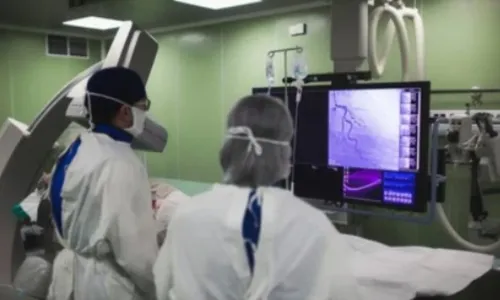
Admission for coronary angiography after abnormal ECG starts with consent, medication and allergy checks, blood pressure, oxygen level and heart-rhythm monitoring. A nurse prepares your wrist or groin; local anaesthetic numbs the skin, but you remain awake and can speak.
The cardiologist guides a thin catheter through the radial artery at the wrist or femoral artery in the groin, injects iodinated contrast, and records X-ray images of coronary flow. Ask what the CAG after abnormal cardiac test is expected to answer before signing.
Afterward, staff check the puncture site, pulse, blood pressure and symptoms. Recovery can take several hours; discharge depends on bleeding, mobility, kidney function and whether treatment was performed. A radial procedure usually allows earlier walking, but keep the wrist dressing dry, avoid heavy lifting with that arm, and follow the hospital’s driving instructions.
Femoral access requires lying flat for the specified period and stricter lifting, bending and driving limits set by the hospital.
Do not treat a visible narrowing as proof that it causes ischemia. For an intermediate blockage, FFR or iFR measures whether blood flow is sufficiently restricted to justify revascularisation; symptoms, ventricular function and other tests complete the decision.
Seek urgent help for increasing swelling, bleeding, a cold or numb hand or leg, fever, or chest pain. A normal angiogram does not exclude microvascular or vasospastic angina, so attend follow-up.
Frequently asked questions
When does an abnormal heart result require an ambulance instead of an appointment?
Call an ambulance for possible acute coronary syndrome, including chest pressure, pain spreading to the arm or jaw, severe breathlessness, sweating, fainting, or sudden collapse. Do not drive yourself or wait for an outpatient booking.
Which abnormal tests can lead to coronary angiography?
An ECG showing possible acute ischaemia, a positive troponin result, an abnormal stress test, or imaging that suggests significant coronary disease can support CAG. Stable or unclear results often need repeat testing, clinical assessment, or confirmation first.
How should you choose a cardiologist after an abnormal heart test?
Choose a cardiologist who can interpret the original test, explain alternatives to CAG, assess your kidney and bleeding risks, and discuss whether the findings would change treatment.
What should you discuss before coronary angiography?
Discuss kidney function, contrast allergy, blood thinners, diabetes medicines, fasting, access through the wrist or groin, bleeding risk, and what to do after discharge.
How do you judge whether coronary angiography changed your treatment?
Ask whether CAG found a significant narrowing, whether medication alone is suitable, and whether angioplasty with a stent or bypass surgery is recommended. The result matters when it changes your treatment or follow-up plan.