
Chest pain is one of the most common reasons people become concerned about heart disease. Yet chest discomfort can arise from several body systems, making self-diagnosis unreliable. The pattern of symptoms, associated risk factors, examination findings, and investigations all influence the final assessment.
A Heart specialist for chest pain in Dhule can evaluate whether the symptoms suggest a cardiovascular cause or whether another explanation needs consideration.
Heart-related chest discomfort is often described as pressure, tightness, heaviness, squeezing, or discomfort rather than only sharp pain. In some cases, physical exertion can trigger symptoms. Associated breathlessness, sweating, nausea, dizziness, or discomfort spreading toward the arm, shoulder, jaw, or back can increase concern.
However, chest pain can also be associated with digestive conditions, muscles and ribs, respiratory problems, anxiety-related symptoms, and other causes.
Certain characteristics may provide clues, but they are not enough for patients to reliably rule heart disease in or out themselves.
A cardiologist considers the complete clinical context. Important factors can include:
Age
Blood pressure
Diabetes
Cholesterol levels
Smoking history
Previous cardiovascular disease
Family history
Nature and duration of symptoms
Whether physical activity triggers discomfort
This explains why two people describing similar chest pain may undergo different evaluations.
An ECG may be performed to assess the heart's electrical activity. Depending on the situation, further investigations such as blood tests, 2D Echo, stress testing, or coronary evaluation may be considered.
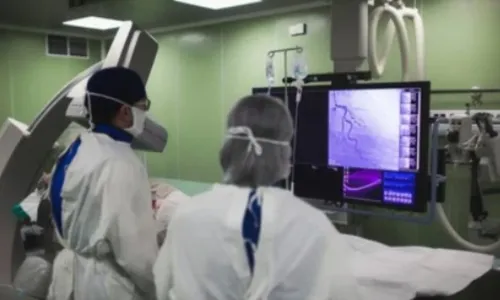
Angiography is not automatically required for every person experiencing chest pain. It is a specific investigation used when the clinical situation indicates that examining the coronary arteries is appropriate.
Likewise, a previous normal cardiac test should not automatically be used to dismiss new or significantly changed symptoms. Clinical circumstances can change, and current symptoms need to be considered in their present context.
For patients in Dhule and neighbouring Maharashtra areas, access to a heart specialist provides an opportunity to evaluate recurring or unexplained chest symptoms systematically. Dr Chetan Jain can review symptoms, risk factors, previous reports, and cardiac investigations to determine appropriate next steps.
Patients should bring older ECGs, echocardiography reports, blood tests, angiography records if applicable, and current prescriptions. Details about when the chest pain occurs are particularly valuable.
There is one situation where comparison and observation should not delay action. Severe or persistent chest pain, particularly when accompanied by sweating, significant breathlessness, fainting, or symptoms suggestive of a heart attack, requires urgent medical attention.
For stable, recurring, or unexplained symptoms that are not an immediate emergency, specialist assessment can help establish whether the heart requires further investigation.
The key point is that “chest pain” is a symptom, not a diagnosis. A Heart specialist for chest pain evaluates the symptom alongside cardiovascular risk and objective findings, helping patients move from uncertainty toward an appropriate clinical assessment.