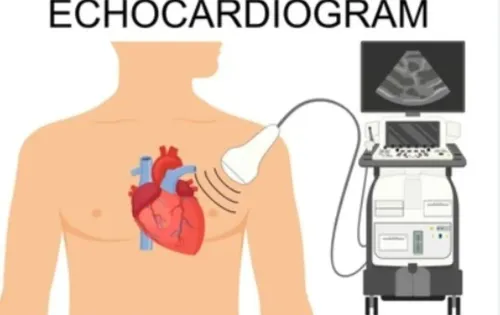

High blood pressure and unhealthy cholesterol levels are two major cardiovascular risk factors, yet both can remain unnoticed for a long time. A person may feel completely well while changes are gradually affecting the arteries and increasing strain on the cardiovascular system. This is why consulting a cardiologist for BP and cholesterol may be relevant when these risk factors persist or occur alongside other health concerns.
Blood pressure represents the force of circulating blood against artery walls. When it remains consistently elevated, the heart has to work against greater resistance. Over time, uncontrolled hypertension can contribute to cardiovascular complications.
Cholesterol is different. The body needs cholesterol for normal functions, but certain cholesterol patterns can contribute to fatty deposits within arteries. This process can gradually narrow blood vessels and affect blood flow.
Risk becomes more significant when several factors occur together, such as:
- High blood pressure
- High LDL cholesterol
- Diabetes
- Smoking
- Excess body weight
- Sedentary lifestyle
- Family history of premature heart disease
- Increasing age
This is why cardiovascular assessment should not focus on a single laboratory number. Doctors generally consider the overall risk profile.
People often ask whether medication is always necessary. There is no single answer because treatment depends on the degree of BP or cholesterol elevation, existing medical conditions, cardiovascular history, age, and overall risk. Lifestyle measures may form an important part of management, while some patients also require prescribed medicines.
Practical habits that support cardiovascular health include reducing excessive salt intake, avoiding tobacco, staying physically active as medically appropriate, maintaining a balanced diet, getting adequate sleep, and taking prescribed medicines consistently.
For patients in Dhule, Maharashtra, regular follow-up is particularly useful because BP readings and cholesterol results become more meaningful when viewed over time. Dr Chetan Jain provides cardiac evaluation for people concerned about cardiovascular risk factors, including blood pressure and cholesterol.
Home BP monitoring can also be useful when performed correctly. Sit quietly before taking the reading, keep the arm supported, use an appropriately sized cuff, and record readings rather than relying on a single measurement. The record can then be discussed during consultation.
BP and cholesterol management is ultimately about reducing long-term cardiovascular risk. Waiting until symptoms develop can miss the opportunity to identify risk factors earlier. Regular assessment gives patients and their doctors better information for making appropriate decisions about heart health.