

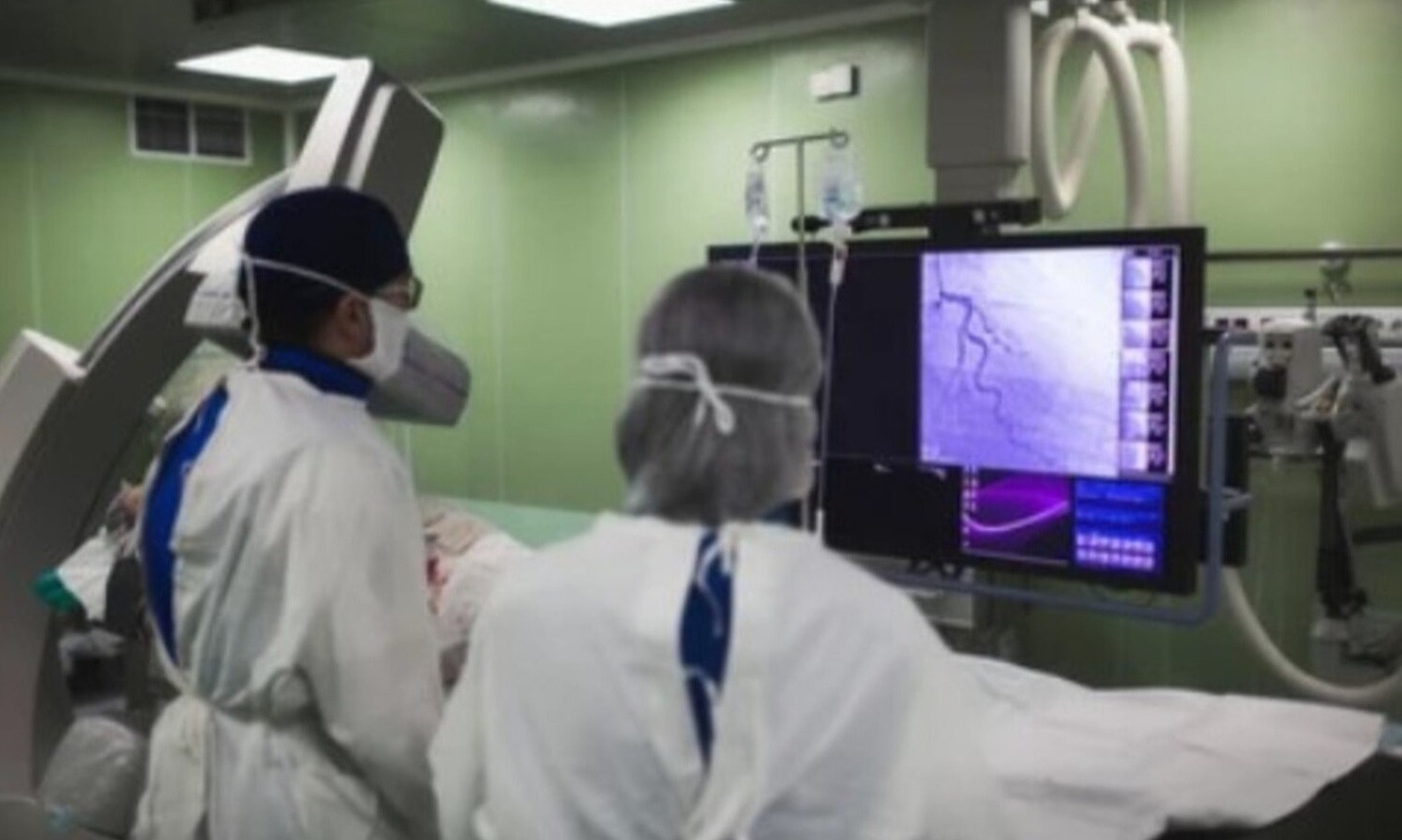
Coronary angiography is an important cardiac investigation, but it is not a routine screening test for every person concerned about heart disease. An Angiography specialist considers the patient's symptoms, previous test results, cardiovascular risk, and clinical condition before determining whether coronary angiography may be appropriate.
The coronary arteries supply blood to the heart muscle. If these arteries become significantly narrowed or blocked, blood flow can be reduced. Coronary angiography helps doctors visualize these arteries and identify areas of narrowing or obstruction.
The procedure generally involves introducing a catheter through a blood vessel, commonly from the wrist or groin, and using contrast material so the coronary arteries can be viewed with X-ray imaging.
Why might angiography be considered?
One situation is when a patient has symptoms that raise concern about coronary artery disease. These may include exertional chest pressure, recurring chest discomfort, breathlessness, or other symptoms that require further evaluation.
Angiography may also be considered after certain non-invasive tests suggest possible coronary disease. In other situations, it can be required urgently when a heart attack or another acute coronary condition is suspected.
However, having risk factors such as hypertension or cholesterol does not automatically mean a person needs angiography.
Evaluation may begin with clinical examination, ECG, blood tests, Echo, stress testing, or other investigations depending on the patient's presentation.
Before angiography, the medical team may review:
Current symptoms
Previous ECG and cardiac test results
Kidney function
Allergies
Current medicines
Diabetes status
Bleeding risk
Previous cardiac history
Patients should provide a complete medication list because certain medicines may require specific instructions around the procedure.
The results of coronary angiography can guide further decisions. If significant narrowing is identified, the cardiology team considers factors such as its location, severity, symptoms, overall heart function, and the patient's broader health before deciding what management is appropriate.
Not every narrowing requires the same treatment. Depending on the clinical situation, management may involve medicines and risk-factor control, angioplasty and stenting, surgical evaluation, or another approach.
Dr Chetan Jain provides cardiology care in Nashik for patients who may require evaluation for coronary artery disease and related cardiac conditions. The decision regarding angiography is made in the context of the individual's symptoms and clinical findings rather than as an isolated investigation.
For patients in Nashik and surrounding areas of Maharashtra, understanding why angiography is being considered can make discussions with the cardiologist clearer.
Useful questions include why the procedure is recommended, what information it is expected to provide, what preparation is required, and how the findings could influence treatment.
Coronary angiography is most valuable when it answers a defined clinical question and helps guide the next stage of cardiac care.