

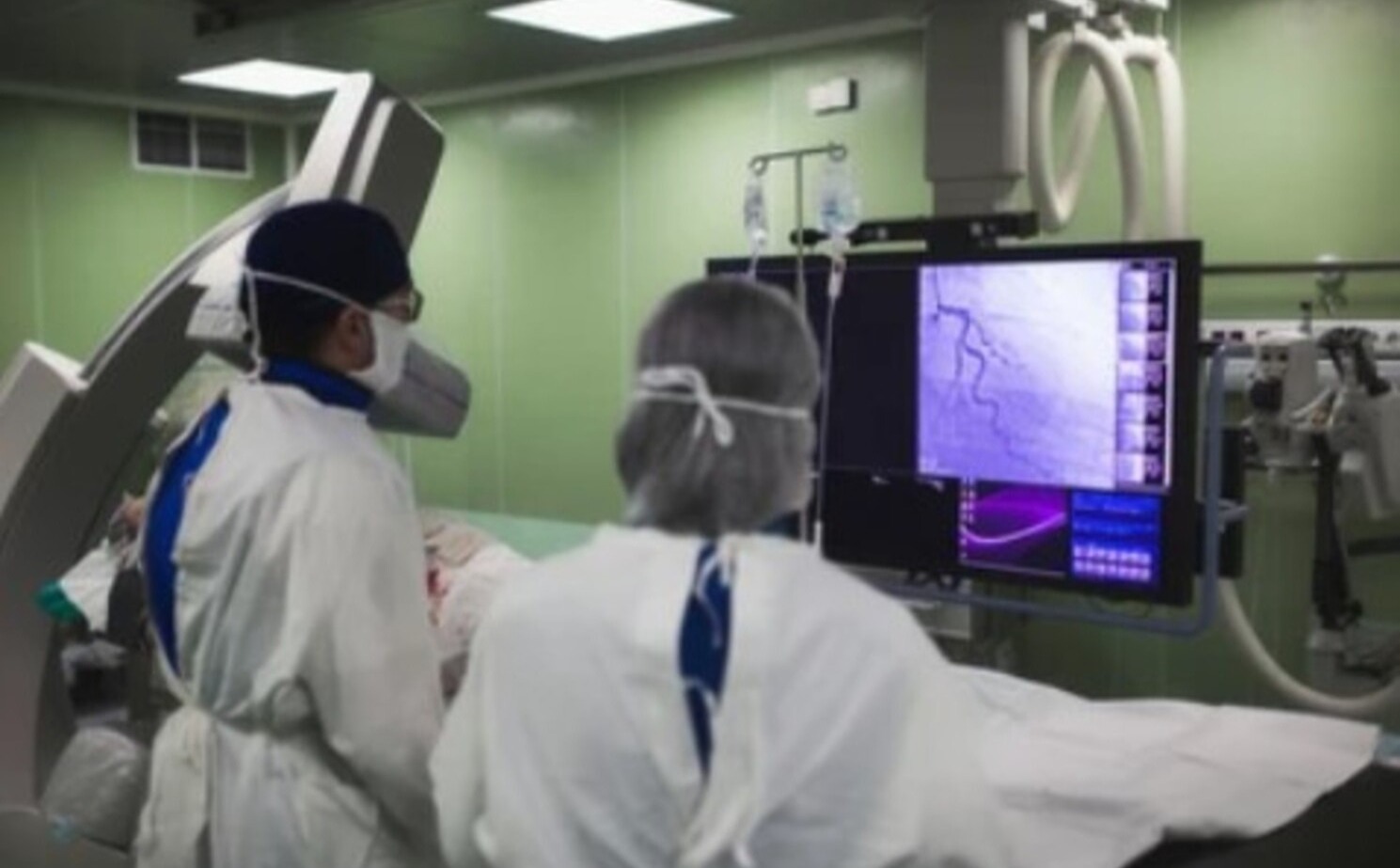
Coronary angiography is one of the most valuable diagnostic procedures in modern cardiology. Although many people associate it with heart attacks, angiography is performed for a variety of reasons and helps doctors accurately assess blood flow within the coronary arteries.
Consulting an experienced angiography specialist allows patients to understand whether this investigation is appropriate for their symptoms and how it contributes to planning the right treatment.
For patients in Nashik, timely diagnosis through appropriate cardiac investigations can improve outcomes and help prevent serious cardiovascular complications.
What Is Coronary Angiography?
Coronary angiography is an imaging procedure that allows cardiologists to visualize the coronary arteries supplying blood to the heart muscle.
A special contrast dye is introduced through a catheter, and X-ray imaging reveals whether arteries are:
- Normal
- Narrowed
- Partially blocked
- Completely blocked
This detailed information helps determine the most suitable treatment strategy.
Why Might Your Doctor Recommend Angiography?
Not every patient with chest pain requires angiography.
The procedure may be recommended when:
- Chest pain suggests coronary artery disease
- Stress Test results are abnormal
- ECG findings indicate possible heart damage
- A patient has suffered a heart attack
- Symptoms continue despite medication
- High-risk patients require detailed evaluation
The decision always depends on individual clinical findings.
Common Symptoms That May Lead to Angiography
Your cardiologist may consider angiography if you experience:
- Persistent chest pain
- Shortness of breath during activity
- Pain radiating to the jaw or arm
- Unexplained fatigue
- Recurrent episodes of chest tightness
- Symptoms that worsen with exertion
These symptoms require careful assessment before determining whether angiography is appropriate.
Is Coronary Angiography Safe?
Coronary angiography is routinely performed worldwide and is considered a safe procedure when carried out by experienced cardiac teams.
Like all medical procedures, there are potential risks, but serious complications remain uncommon.
Before the procedure, your cardiologist evaluates:
- Kidney function
- Allergies
- Existing medications
- Bleeding risk
- Overall health status
This assessment helps minimize potential complications.
What Happens During the Procedure?
Patients are usually awake during coronary angiography.
The general process includes:
- Local anesthesia is administered.
- A small catheter is inserted through an artery in the wrist or groin.
- Contrast dye is injected.
- X-ray images capture blood flow inside the coronary arteries.
- The catheter is removed after the procedure.
Many patients are surprised that the procedure is generally well tolerated.
Understanding the Results
Angiography findings help determine the next steps in treatment.
Possible outcomes include:
- Normal coronary arteries
- Mild narrowing requiring medication
- Significant blockage needing angioplasty
- Extensive disease requiring bypass surgery evaluation
The treatment plan depends entirely on the severity and location of arterial narrowing.
Recovery After Angiography
Recovery is generally straightforward.
Patients are usually advised to:
- Drink adequate fluids
- Avoid strenuous activity temporarily
- Follow medication instructions
- Attend scheduled follow-up appointments
- Monitor the catheter insertion site
Your doctor will provide individualized recovery guidance based on your procedure.
Can Angiography Prevent Heart Attacks?
Angiography itself does not prevent heart attacks.
However, it helps identify dangerous coronary blockages early so that appropriate treatment can reduce future cardiovascular risk.
Timely diagnosis allows cardiologists to recommend medication, angioplasty, or surgical intervention when clinically necessary.
Choosing Experienced Cardiac Care
Coronary angiography should always be recommended based on clinical need rather than routine practice.
Dr. Chetan Jain evaluates patients with suspected coronary artery disease using a comprehensive clinical approach. When angiography is indicated, the investigation becomes an important tool for understanding the condition of the coronary arteries and planning evidence-based treatment.
For individuals in Nashik experiencing ongoing chest pain, abnormal cardiac investigations, or symptoms suggestive of coronary artery disease, timely consultation with an experienced cardiac specialist helps ensure appropriate diagnosis and informed treatment decisions.