
An ECG and a 2D Echo are both commonly used cardiac investigations, but they examine the heart in very different ways. Understanding the difference between an ECG / 2D Echo test can make a cardiology consultation less confusing and help patients understand why one test, both tests, or another investigation may be recommended.
An electrocardiogram, commonly called an ECG, records the electrical activity of the heart. Small electrodes are placed on the chest and limbs, allowing the machine to capture electrical signals produced as the heart beats.
An ECG can provide information about heart rhythm and rate. It may also reveal electrical patterns that require further interpretation in the context of symptoms and medical history.
The test itself is usually quick and non-invasive.
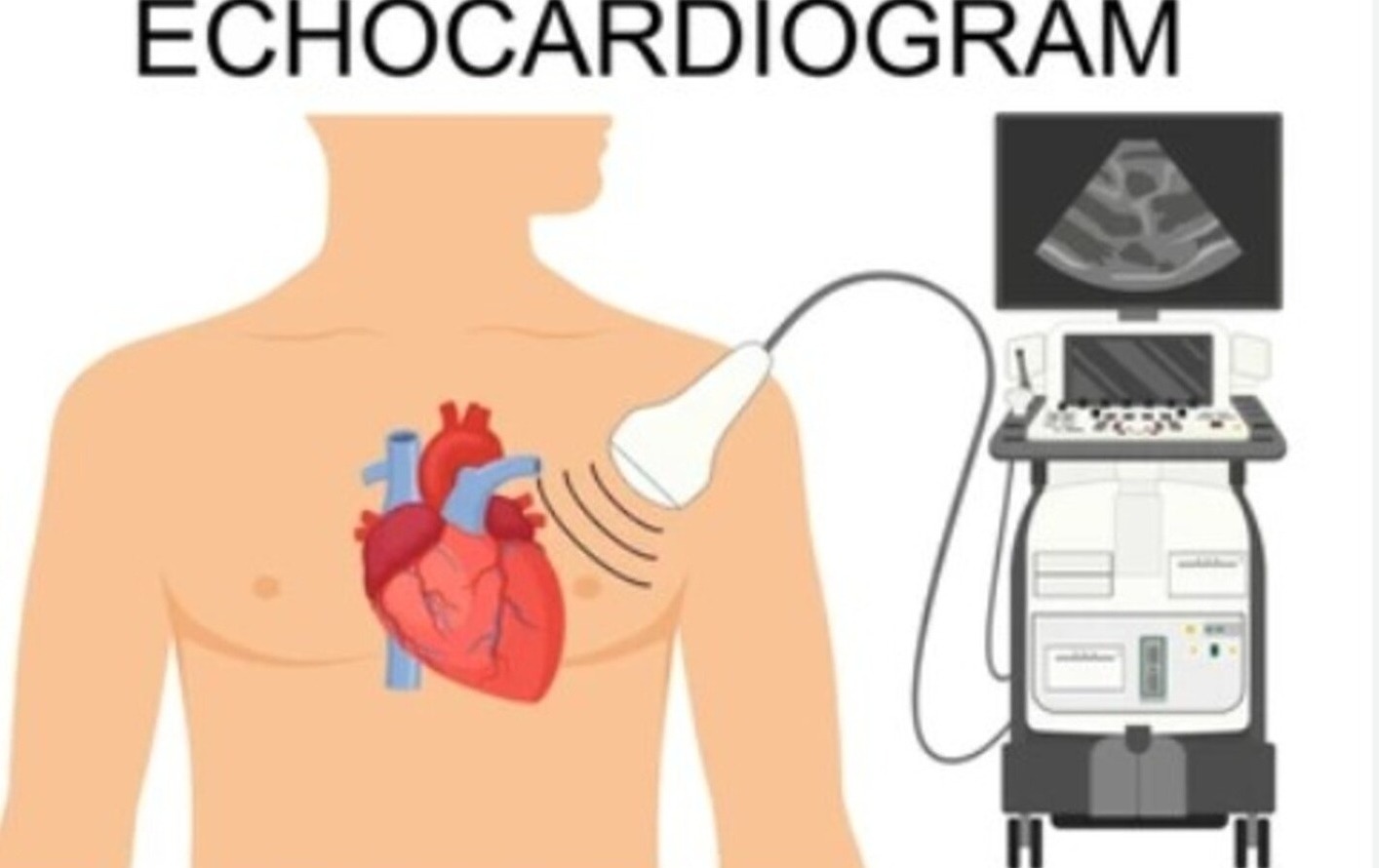
A 2D Echo, or two-dimensional echocardiogram, works differently. It uses ultrasound to create moving images of the heart. Instead of primarily examining electrical activity, it allows the doctor to assess cardiac structures and function.
A 2D Echo may provide information about:
Heart chamber size
Pumping function
Heart valves
Heart wall movement
Certain structural abnormalities
Fluid around the heart in relevant situations
This explains why an ECG cannot simply replace an Echo, or vice versa. They answer different clinical questions.
Consider someone experiencing palpitations. An ECG may provide useful information about the heart's electrical rhythm. If the doctor also needs to assess cardiac structure or pumping function, an Echo may add information that an ECG cannot provide.
Similarly, someone with breathlessness, swelling, a heart murmur, or an existing cardiac condition may require structural assessment depending on the clinical findings.
Patients sometimes assume that having normal results from one heart test means every possible heart condition has been excluded. Cardiac investigations do not work that way. Each test has a particular purpose and limitation.
The decision to recommend an ECG, 2D Echo, stress test, blood investigation, or another procedure should therefore be based on symptoms, examination findings, risk factors, and the question the cardiologist is trying to answer.
Dr Chetan Jain provides cardiology assessment in Nashik where appropriate cardiac investigations can be considered according to the patient's clinical needs. This helps keep testing connected to a specific medical purpose rather than treating investigations as a standard package for everyone.
Patients can also make consultations more productive by bringing previous ECGs, Echo reports, blood tests, medication lists, and hospital records when available. Comparing current findings with previous results may provide useful clinical context.
Across Nashik and Maharashtra, ECG and 2D Echo testing are familiar terms, but understanding what they actually evaluate is important.
The simplest distinction is this: an ECG primarily records the heart's electrical activity, while a 2D Echo uses ultrasound to examine its structure and function. Which test is appropriate depends on what needs to be investigated.